

Written by
I. Constantin

Date released
12.03.2026
Comments
0 so far - be the first!
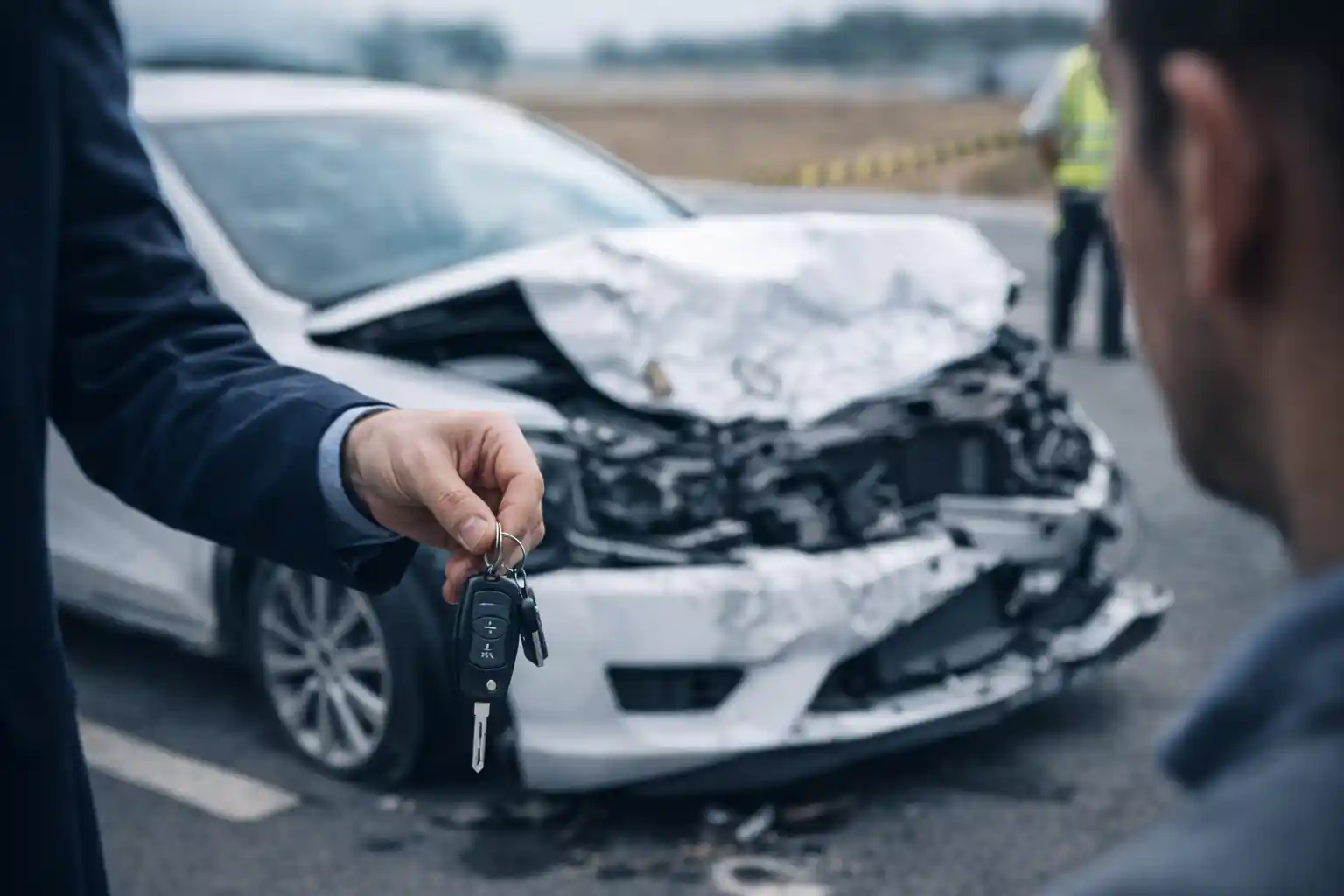
Buying a used car always involves some level of risk. However, the question many buyers ask today is: is it safe to buy a car that’s been in an accident? With the growing number of vehicles on the market that have previously sustained damage, understanding how to evaluate such cars has become essential.
The truth is that it can be safe to buy a car that’s been in an accident, but only if you approach the purchase carefully and verify the vehicle’s history in detail. Some cars involved in accidents are repaired professionally and function perfectly for years. Others may hide structural damage, safety risks, or insurance complications that make them a poor investment.
This guide explains when it can be safe to buy a car that’s been in an accident, what risks you should watch for, and how tools like a VIN history check can protect you before you commit to a purchase.
The first thing to understand is that not all accidents are equal. When people hear that a vehicle was involved in an accident, they often imagine severe structural damage. In reality, many accidents involve only minor cosmetic repairs such as bumper replacement or superficial bodywork.
Because of this, it can sometimes be safe to buy a car that’s been in an accident, especially if the damage was limited and properly repaired. Vehicles that experienced minor collisions may function just as reliably as cars with no accident history.
However, the opposite scenario also exists. If the accident affected critical components such as the chassis, airbags, suspension, or electronic safety systems, the risks increase significantly. In those situations, deciding whether to buy a car that’s been in an accident requires deeper investigation.
One of the main reasons buyers consider accident vehicles is price. Cars with accident history are usually sold at a noticeable discount compared to identical vehicles with a clean history.
For experienced buyers, this creates an opportunity. If you can confirm that the repairs were done correctly, choosing to buy a car that’s been in an accident can be financially advantageous. In some cases, buyers save thousands of euros while still acquiring a reliable vehicle.
Another factor is availability. In markets where certain models are scarce, buyers may decide to buy a car that’s been in an accident simply because it allows them to access specific models, configurations, or engine options that would otherwise be difficult to find.
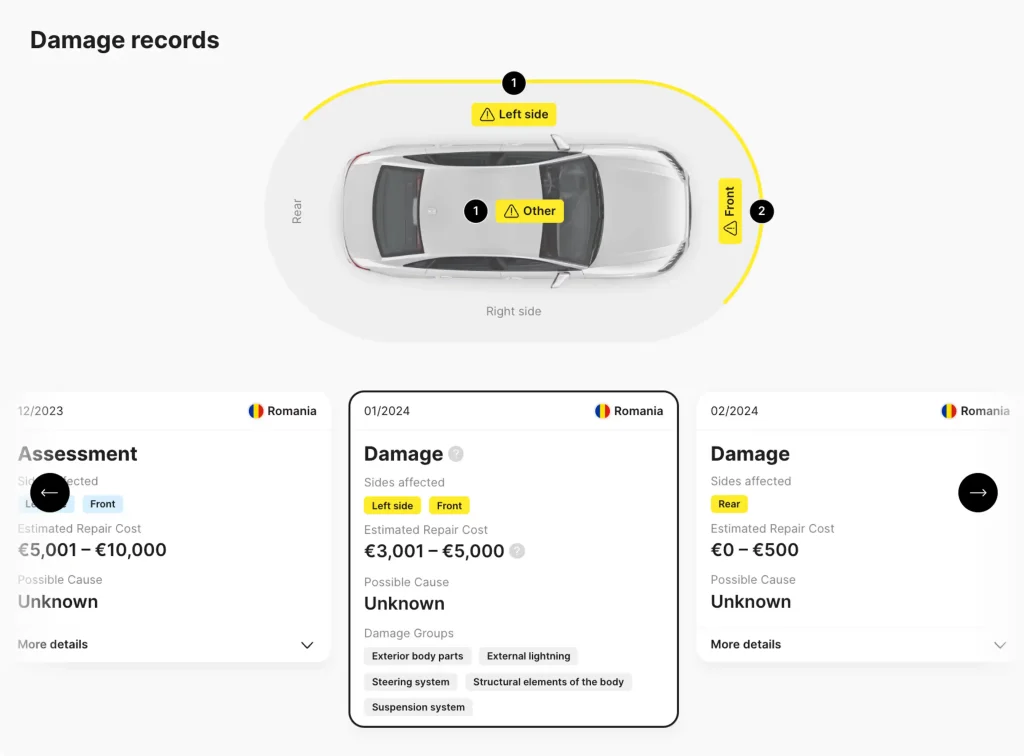
Even though it can sometimes be safe, there are real risks when you buy a car that’s been in an accident. These risks typically relate to hidden structural issues or incomplete repairs.
One major concern is frame damage. The frame or chassis is the structural backbone of the vehicle. If it has been compromised and not repaired correctly, the car may behave unpredictably during driving or future collisions.
Common risks when you buy a car that’s been in an accident include:
Hidden frame or structural damage
Poor quality repairs using non-original parts
Misaligned suspension or steering components
Airbags that were deployed but not properly replaced
Electrical or sensor issues affecting safety systems
Reduced resale value compared to clean vehicles
Because many of these problems are not visible during a simple visual inspection, buyers need additional verification tools.
Before deciding to buy a car that’s been in an accident, verifying the vehicle’s history is one of the most important steps. Modern vehicle databases store detailed information about accidents, insurance claims, title changes, and mileage records.
A VIN (Vehicle Identification Number) check allows you to access this information quickly. By entering the VIN into a reliable database, you can learn whether the vehicle was previously involved in accidents, what type of damage occurred, and sometimes even see photos of the car before repairs.
Despite the risks, there are situations where it is completely reasonable to buy a car that’s been in an accident. The key factor is transparency.
If the seller provides full documentation of the accident, repair invoices, and photos of the damage, the situation becomes easier to evaluate. Professional repair documentation significantly increases confidence when deciding whether to buy a car that’s been in an accident.
In many cases it is safe to buy a car that’s been in an accident when:
The damage was limited to cosmetic body panels
Structural components were not affected
Repairs were performed by certified workshops
All airbags and safety systems were replaced correctly
The vehicle passed professional inspection after repairs
In these cases, the vehicle may offer excellent value for money.
There are situations where you should reconsider the decision to buy a car that’s been in an accident. Certain types of damage increase long-term risk significantly.
Severe structural accidents can compromise safety even after repair. If the frame was bent or welded, future crash performance may no longer match manufacturer specifications.
Warning signs when you should avoid choosing to buy a car that’s been in an accident include:
Salvage or total-loss titles
Evidence of structural frame repair
Missing documentation about repairs
Multiple accidents recorded in the VIN history
Airbag deployment with unclear replacement history
In these cases, even a low price may not justify the risk.
Before you buy a used car, verify its real history.
Accidents, insurance claims, mileage issues and more — revealed in seconds.
Many buyers worry that accident vehicles may not last as long as cars with clean history. In reality, longevity depends more on repair quality than on the accident itself.
If repairs were done professionally and structural integrity was preserved, it may be perfectly reasonable to buy a car that’s been in an accident and drive it for many years without issues.
However, skipping verification steps is the biggest mistake buyers make. When you buy a car that’s been in an accidentwithout checking the VIN history, you risk discovering problems only after the purchase.
Choosing to buy a car that’s been in an accident is not automatically a bad decision. Many such vehicles offer excellent value when repairs are transparent and properly executed.
The key difference between a smart purchase and a costly mistake lies in verification. Before you buy a car that’s been in an accident, always check the vehicle’s history.
If you are considering whether to buy a car that’s been in an accident, start with a VIN check. It is one of the simplest and most effective ways to protect your investment and ensure you are making an informed decision.
Run a VIN check and discover accident history, mileage issues, ownership records and more.
Instant reports · Same data sources · Better price than ordering directly


