Written by
I. Constantin

Date released
24.11.2025

Comments
0 so far - be the first!
Thinking about a used car in 2026 and feeling like everyone has a “perfect, well maintained” car for sale? You are not the only one. Ads look better, photos are edited, and sellers know exactly what to say. From the outside, most cars look acceptable. On paper, many of them are “first owner, never crashed, real mileage”.
The problem is simple. Behind the glossy listing, the car can carry a history that you only discover after you pay. Rolled back mileage, hidden crashes, flood damage, repossession, unpaid leasing. In this context, a proper VIN report is no longer a nice extra for cautious buyers. It is part of the basic toolkit, just like the test drive and the visit to a mechanic.
Cars move from one country to another very easily. Some come from insurance auctions, others from fleets, leasing companies or rental firms. Photos travel quickly through export sites. The same car can appear with different mileage numbers and different stories in each listing.
In 2026, the used car market is more international, more digital, more creative when it comes to hiding problems. More and more data about vehicles now exists in electronic form. Inspections, insurance claims, registrations, sometimes even photos from past adverts. This creates a paradox. Car history is easier to hide at the surface, yet easier to uncover if you know where to look. That is exactly where a VIN report comes in.
Here are the most common problems that quietly sit behind “perfect” ads.
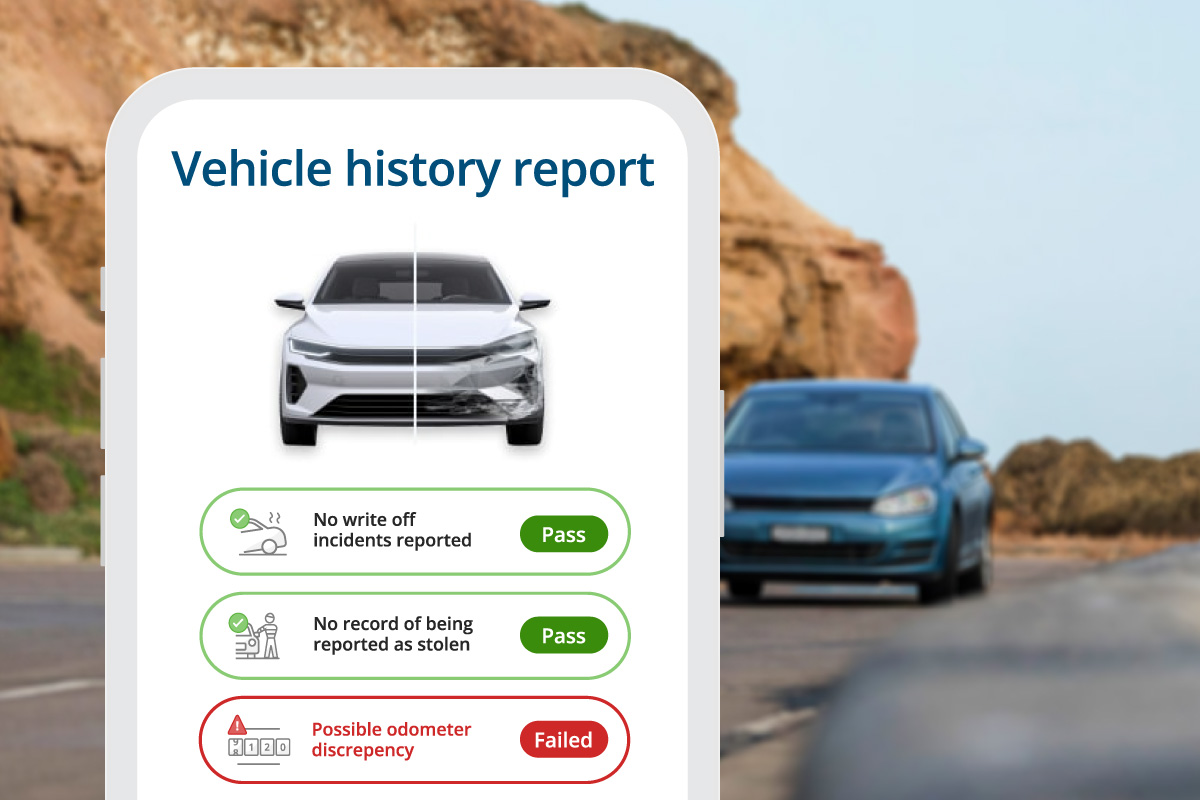
Lower mileage sells. That is why odometer manipulation is still a very profitable business. A car that shows 150 000 km today may have had 260 000 km at a technical inspection three years ago. Without a data trail you would never know. A VIN report connects historic entries and highlights suspicious jumps.
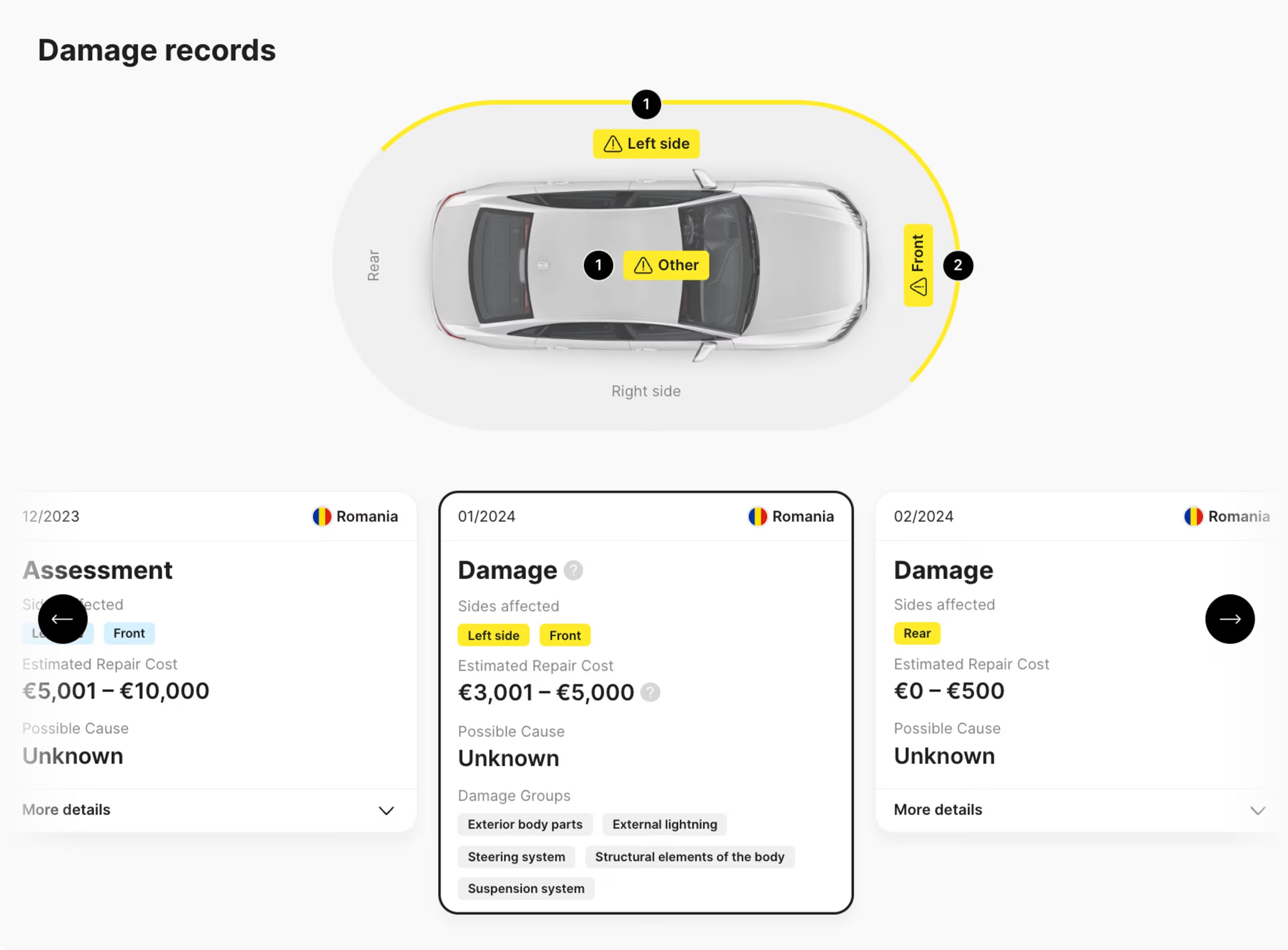
A car that has been in a serious crash and was repaired cheaply can look fine from the outside. On the road and at the next crash it behaves very differently. VIN reports can reveal total loss entries, repeated insurance claims or auction records that suggest heavy damage in the past.
Flood cars are a big story in recent years. They are cleaned, dried, sometimes partially repaired and then exported as attractive deals. The real problems appear months later, when electronics start to fail. A VIN report can show if the car appeared in an auction after a natural disaster or as water damaged.
In some markets, stolen cars are laundered with cloned identities or dubious papers. Others are sold while still under finance or leasing. A VIN report that checks theft and finance databases can warn you that the car you plan to buy is not as “clean” as the seller claims.
Many buyers rely on gut feeling. You meet the seller, talk a bit, look at the car, and if nothing feels wrong you trust the story. Sometimes that works. Sometimes the seller does not even know the full history, especially for imports and recent trade ins.
Trust and a VIN report do not exclude each other. The report does not replace your instinct. It supports it. If the data matches what you are told, you can negotiate with more confidence. If the report contradicts the story, you have a very clear sign that something is off and you can walk away before you lose money.
A carVertical style VIN report, for example, collects information from:
insurance databases
technical inspection centres
registration authorities, where accessible
leasing and fleet systems
car marketplaces and auctions
This is powerful, but not magic. If a crash or repair was never reported anywhere, it cannot appear in any database. That is why a clean report is never a guarantee that the car is perfect. It simply means no issues were detected in the checked sources.
The right way to see a VIN report is as one strong filter in your process. It removes clearly bad candidates and highlights those that deserve a closer look from a mechanic.
A carVertical report through AutoCOC.eu costs 14,99 €. The normal retail price for a single report on carVertical’s own site is around 25,99 €, so you save roughly 42 percent.
Now compare that with the cost of getting it wrong:
A single major repair caused by hidden accident damage can easily pass 500 or 1 000 euro
A heavily rolled back car will eat more money in repairs, fuel and parts
A vehicle that turns out to be flood damaged or still under finance can become impossible to register or sell at a fair price
Saving 15 euro by skipping the report and then spending hundreds or thousands later is simply not logical. You spend a small amount early to avoid very large costs and stress later.
You get the same full report you would receive if you ordered it directly from carVertical, just for less money. We purchase reports in larger volumes, which gives us a better price, and we use part of that advantage to lower your cost.
A simple, safe sequence looks like this:
Collect several candidates
Do not fall in love with the first nice listing. Pick a few similar cars.
Ask for the VIN for each car
A serious seller shares the VIN without drama. If someone refuses, that is already a sign.
Order a VIN report for the car that looks most promising
Use our VIN check page and buy a carVertical report at 14,99 euro.
Check the report calmly
Look for big mileage jumps, accident entries, repeated country changes, flood markers, theft flags.
If the report looks clean, then book a mechanical inspection
Take the car and report to a trusted service or mechanic for a full check.
Negotiate with facts, not guesses
Use what you see in the report and from the inspection to adjust your offer or decide to walk away.
This process takes more discipline than “go see car, buy car”, but it protects you far better.
On Auto-coc.eu you get the same type of report you would buy directly from carVertical, just at a better price. We purchase reports in volume and part of that discount goes to you.
You pay 14,99 € for a full report instead of 25,99 €, without subscriptions, credits or bundles. One car, one VIN, one clear history report you can read and keep.
In 2026, buying a used car without checking its VIN first is like buying a house without ever seeing the land registry. You might be lucky, but you are relying on hope in a market where information exists and you can access it for the price of a tank of fuel.
If you are serious about avoiding nasty surprises, treat the VIN report as a standard part of the process. Get the VIN, run the report, then decide whether the car deserves your time, your money and your trust.