News & Guides /
How to Register a Vehicle Imported from the Netherlands
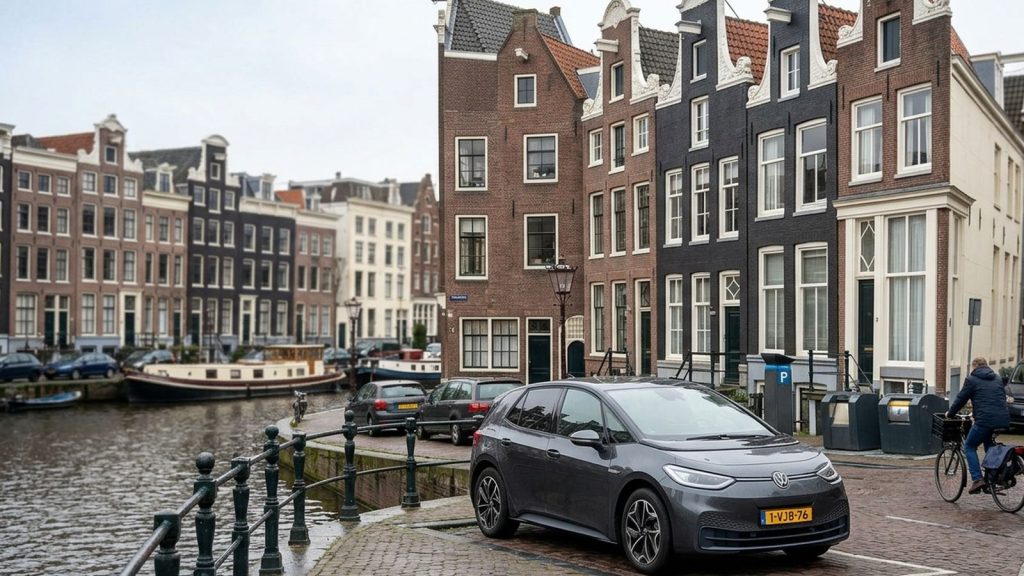
The Netherlands is one of Europe’s most active vehicle export markets. With strict national emissions policies that have pushed many diesel vehicles off Dutch roads, combined with a culture of thorough vehicle maintenance and honest documentation, the Netherlands produces a steady flow of high-quality second-hand cars sought by buyers across Europe. If you have purchased or are planning to purchase a vehicle there, this guide covers everything you need to know to successfully register a vehicle imported from Netherlands in your home country in 2026.
The process to register a vehicle imported from Netherlands is broadly similar to other EU-to-EU imports but has some country-specific characteristics worth understanding. Chief among them is the Dutch vehicle registration system, which requires a specific deregistration document before the vehicle can leave the country, and the COC requirement, which catches many buyers off guard when it turns out the document was retained by Dutch authorities at the point of original registration. If you are doing the reverse and bringing a car into the Netherlands, see our guide to registering an imported car in the Netherlands.
Step 1: Obtain the Dutch Deregistration Document (Afschrijvingsbewijs)
When you register a vehicle imported from Netherlands, the first document you need is the Afschrijvingsbewijs, which is the Dutch vehicle deregistration certificate. When a vehicle is deregistered from the Dutch vehicle registration system (RDW) for export, this certificate is issued to confirm that the vehicle is no longer registered in the Netherlands and is free to be registered elsewhere. Without this document, many EU registration authorities will not accept the import application.
The Afschrijvingsbewijs is obtained from the RDW, either by the seller before handover or by the buyer after purchase. If you are buying from a dealer, request it explicitly before completing the sale. If the seller is a private individual, ensure they have initiated the deregistration process with the RDW before the vehicle leaves the Netherlands. This document is a fundamental part of the package needed to register a vehicle imported from Netherlands anywhere in the EU.
Step 2: Secure the Certificate of Conformity
The Certificate of Conformity (COC) is required to register a vehicle imported from Netherlands in any EU member state. The Netherlands, like several other EU countries, historically retained the COC at the point of first national registration, meaning many Dutch-registered vehicles have been resold without their COC. This is one of the most common obstacles buyers face when attempting to register a vehicle imported from Netherlands.
The solution is straightforward: order a replacement COC through auto-coc.eu before transporting the vehicle. The platform accesses official manufacturer databases and retrieves authentic COC data for all major brands sold in the Dutch market, including BMW, Mercedes-Benz, Volkswagen, Audi, Volvo, Toyota, Renault, Peugeot, and many others. Pricing depends on your car’s brand and model, with free standard delivery or Express in 2 to 3 business days. Having the COC ready before the vehicle arrives in your home country eliminates the most common cause of delay when you register a vehicle imported from Netherlands.
Missing COC for Your Netherlands Import?
- The Netherlands often retains the COC at first registration — don’t let a missing COC delay your import.
- Find your brand and order a manufacturer-sourced COC at auto-coc.eu.
- Free standard delivery, or Express in 2 to 3 business days.
- A free VIN check confirms the COC is available before you pay.
Step 3: Verify the Full Document Package
Before attempting to register a vehicle imported from Netherlands in your home country, assemble the complete document package. This typically includes: the Afschrijvingsbewijs from the RDW, the Certificate of Conformity obtained through auto-coc.eu if not supplied by the seller, the original Dutch purchase contract signed by both parties, the Dutch vehicle registration certificate (Kentekenbewijs), your personal identity document, and proof of insurance valid in your destination country.
Some destination countries add requirements on top of this baseline when you register a vehicle imported from Netherlands. Romania requires a RAR technical inspection. Germany requires the vehicle to pass a TUV inspection if the existing Dutch inspection stamp is not recognised. Spain requires an ITV certificate. Research your specific country’s additional requirements before the vehicle leaves the Netherlands to avoid unexpected delays or costs.
Step 4: Complete Local Registration
Once your document package is complete, submit your registration application to the relevant authority in your home country within the deadline imposed by local law. Deadlines for registering an imported vehicle after it crosses the border vary across EU member states from as few as 14 days to as many as 90 days. Missing this deadline can result in fines, forced re-export, or impoundment. When you register a vehicle imported from Netherlands, treat the registration deadline as the most time-sensitive element of the entire process.
At the registration office, you will typically be asked to present all documents in original form, pay the applicable registration tax or transfer fee, and in many countries submit the vehicle for a local roadworthiness inspection. Some countries also require a physical COC rather than a digital one, which auto-coc.eu can provide through its postal delivery option. Confirm your local authority’s format preference before ordering.
Common Issues When You Register a Vehicle Imported from Netherlands
Beyond the missing COC, the most frequently encountered issue when buyers attempt to register a vehicle imported from Netherlands is the diesel age restriction. The Netherlands has implemented low-emission zones in its major cities, which has driven an accelerated turnover of older diesel vehicles. Many of these vehicles are in excellent condition and priced attractively, but buyers in destination countries with their own emissions restrictions should verify that the vehicle meets local requirements before purchase.
Another common issue is mileage verification. Dutch vehicles are generally well-documented, but when attempting to register a vehicle imported from Netherlands in countries where mileage fraud is more prevalent, local authorities sometimes request a vehicle history report as part of the dossier. Running a VIN check through auto-coc.eu before purchase provides this documentation proactively and can prevent delays at the registration stage.
Frequently Asked Questions: Register Vehicle Imported from Netherlands
Yes. To register a vehicle imported from Netherlands in another EU country, the vehicle must first be deregistered from the Dutch RDW system. This produces the Afschrijvingsbewijs, which most destination country registration offices require as proof that the vehicle is no longer registered in the Netherlands. Attempting to register an active Dutch-registered vehicle in another country will almost always result in a refusal.
The deregistration process is straightforward and can be initiated by the seller or by the buyer with a power of attorney. Ensure this step is completed before or at the point of handover.
The Netherlands, like Belgium and some other EU countries, historically collected the original COC from the owner at the point of first national registration and retained it in national archives. This means vehicles that have been registered in the Netherlands for years may have had their COC separated from the vehicle documentation long before the current owner acquired them.
This is not a problem when you use auto-coc.eu. The platform retrieves the COC data from the manufacturer’s own records independently of what happened to the physical document in the Netherlands, delivering a complete and legally valid replacement for registration purposes.
With all documents in order, including the COC obtained through auto-coc.eu, the registration process in most EU countries takes between one and three weeks. The most significant variable is whether a local roadworthiness test is required and whether the vehicle passes on the first attempt. Having all paperwork ready before the vehicle arrives is the single most effective way to minimise the total time.
Countries with the simplest registration processes for imported vehicles include Germany, Austria, and the Czech Republic. Countries with more complex requirements include Romania, where the RAR inspection adds time, and Spain, where the homologation process can extend the timeline.
This depends on your home country’s regulations regarding foreign-registered vehicles driven by residents. Many EU countries allow a grace period of 30 to 90 days during which a foreign-registered vehicle can be used by a new owner before local registration is mandatory. However, driving a Dutch-registered vehicle after it has been deregistered from the RDW is not permitted on Dutch plates.
If you are transporting the vehicle from the Netherlands under your own power, arrange temporary export plates from a Dutch registration office. If using a transport company, the vehicle travels as cargo and does not need to be driven on roads.
Within the EU single market, no customs duties apply when you register a vehicle imported from Netherlands in another member state. However, some countries impose a vehicle registration tax or a first-registration levy that applies to any newly registered vehicle, including imports. Romania’s first-registration tax and Spain’s matriculation tax are examples of destination-country charges that apply regardless of the vehicle’s EU origin.
Research your home country’s import and registration taxes before completing the purchase. These charges are sometimes substantial and should be factored into the total cost of the import.
For most buyers who need to register a vehicle imported from Netherlands, auto-coc.eu is the fastest, most affordable, and most reliable way to obtain the COC. The alternative of contacting the vehicle manufacturer directly or going through a Dutch authorised dealer is both slower and significantly more expensive, and often significantly more expensive than ordering through auto-coc.eu.
The platform’s free VIN check before payment ensures you always know whether your specific vehicle’s COC data is available before spending anything. For Dutch imports in particular, where the COC is frequently missing from the vehicle’s physical documentation, auto-coc.eu has become the standard solution.